
What is SEO and How It Works for Small Businesses
Search Engine Optimization (SEO) is one of the most powerful tools for small businesses to grow online visibility, attract targeted users, and generate consistent leads. In today’s competitive digital landscape—especially in fast-growing gaming-related industries—SEO is no longer optional; it is essential.
SEO helps your website rank higher on search engines like :contentReference[oaicite:0]{index=0}, making it easier for potential customers to find your services. Whether you run a gaming platform, service website, or product-based business, SEO plays a crucial role in long-term success.
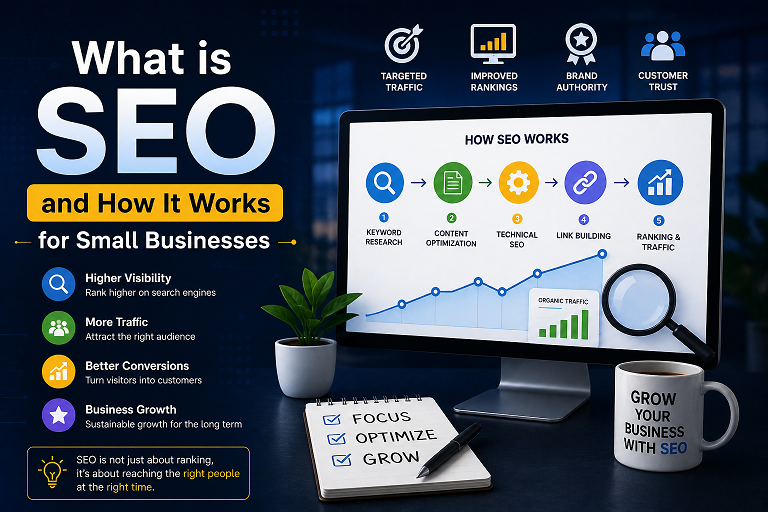
In this guide, we’ll explain what SEO is, how it works, and how small businesses can use it effectively to compete with larger brands.
What is SEO? (Search Engine Optimization Explained)
SEO stands for Search Engine Optimization, which is the process of improving your website’s visibility in organic (non-paid) search results. It involves optimizing your website content, structure, and technical performance to make it more relevant to users and search engines.
For example, when someone searches for “best gaming website design” or “SEO services for small business,” search engines analyze thousands of websites and rank them based on relevance, quality, and user experience.
SEO ensures your website appears among the top results, increasing traffic and credibility.
If you're starting from scratch, you can explore our website designing services to build an SEO-friendly foundation.
How SEO Works: Key Ranking Factors
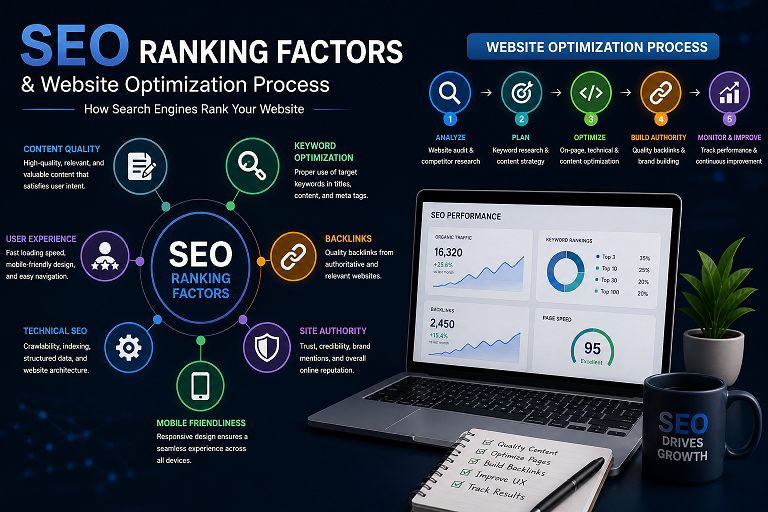
SEO works through a combination of algorithms, ranking signals, and user behavior analysis. Search engines evaluate websites based on multiple factors, including:
- Content Quality: Valuable, informative, and original content ranks higher.
- Keyword Optimization: Proper use of relevant keywords in headings and content.
- User Experience (UX): Easy navigation, mobile responsiveness, and fast loading.
- Backlinks: Links from trusted websites improve authority.
- Technical SEO: Clean code, structured data, and indexing.
Recent updates by :contentReference[oaicite:1]{index=1} emphasize helpful content, real expertise, and user satisfaction—also known as EEAT (Experience, Expertise, Authoritativeness, Trustworthiness).
For deeper understanding, refer to: Google SEO Starter Guide.
Types of SEO for Small Businesses
SEO is not a single strategy—it consists of multiple components that work together to improve rankings.
1. On-Page SEO
This includes optimizing your website content, titles, meta descriptions, and images. It ensures your pages are relevant to search queries.
2. Technical SEO
Focuses on backend improvements like website speed, mobile responsiveness, and proper indexing.
3. Off-Page SEO
Includes link building, social signals, and brand mentions that improve authority.
4. Local SEO
Helps small businesses rank in local searches like “web design company near me.”
To understand how SEO connects with business growth, read our digital marketing strategies guide.
Why SEO is Important for Small Businesses
Small businesses often have limited budgets compared to large corporations. SEO provides a cost-effective way to compete and grow online.
Here’s why SEO matters:
- Increases Visibility: Helps your website appear in search results.
- Builds Trust: Higher rankings improve credibility.
- Generates Organic Traffic: No need for constant ad spending.
- Improves Conversion Rates: Targets users actively searching for your services.
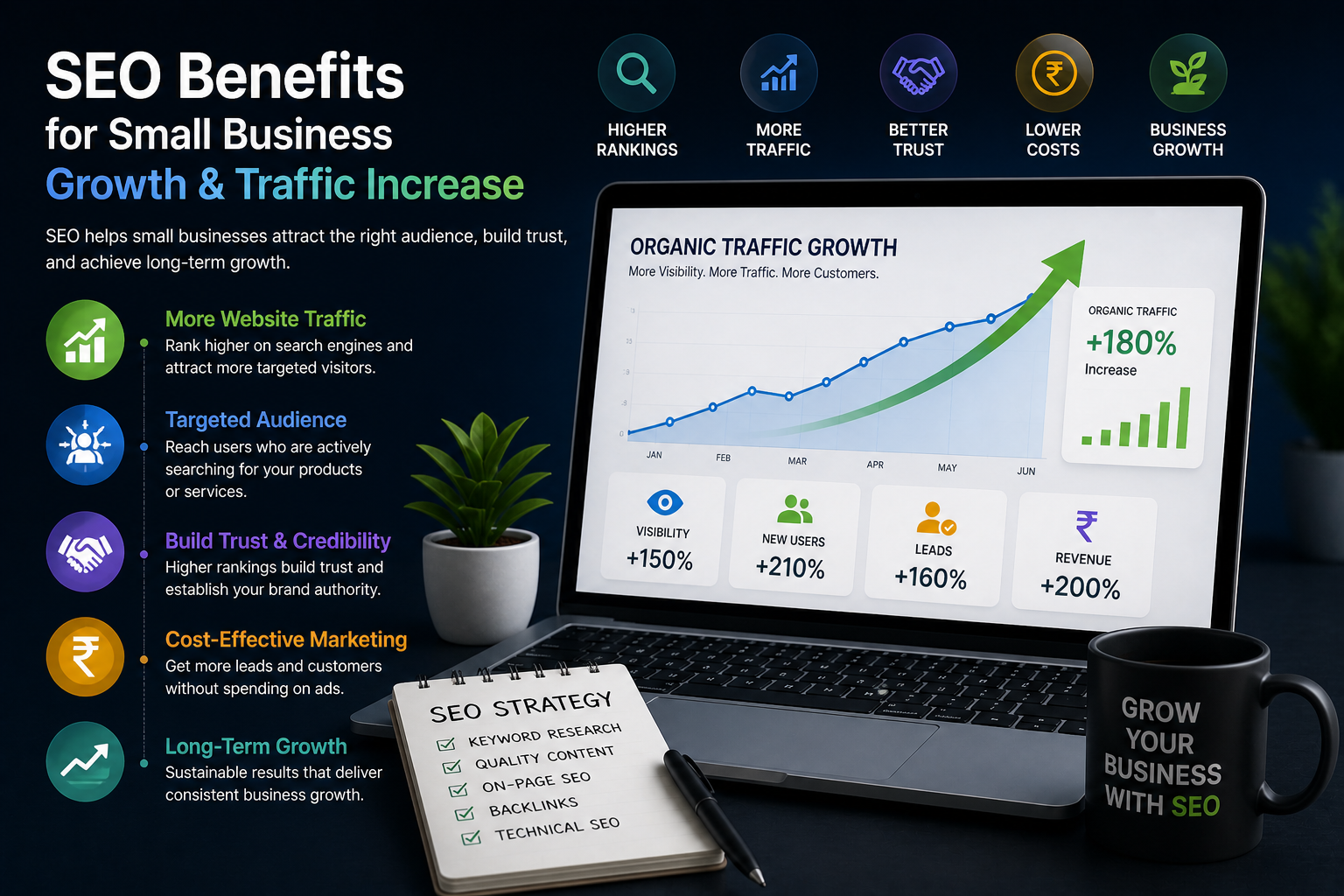
For gaming-focused platforms, SEO helps attract highly targeted users who are already interested in your offerings, leading to better engagement and retention.
How Small Businesses Can Start with SEO
Getting started with SEO doesn’t require a massive budget. Here are practical steps:
- Research keywords relevant to your business
- Create high-quality blog content regularly
- Optimize website speed and mobile experience
- Build backlinks from trusted sources
- Use internal linking to connect pages
You can also check our guide on how to rank your website on Google for actionable tips.
SEO for Gaming-Related Businesses
Gaming-focused websites require a slightly different SEO approach due to high competition and user expectations.
Key strategies include:
- Fast-loading pages for better user experience
- Interactive UI/UX design
- Engaging content with visuals
- Mobile-first optimization
You can also explore our previous blog on how to choose the best web design company in India to ensure your website is designed for performance.
Common SEO Mistakes to Avoid
- Keyword stuffing
- Ignoring mobile optimization
- Slow website speed
- Duplicate content
- Lack of internal linking
Avoiding these mistakes can significantly improve your rankings and user experience.
Conclusion
SEO is a long-term investment that helps small businesses grow sustainably. By focusing on high-quality content, user experience, and technical optimization, you can improve your website’s visibility and attract more customers.
In competitive industries like gaming, SEO becomes even more critical as it helps you stand out and build authority.
With the right strategy and consistent effort, even small businesses can achieve significant online growth.
Frequently Asked Questions (FAQs)
1. What is SEO in simple terms?
SEO is the process of improving your website so it ranks higher on search engines and attracts more visitors.
2. How long does SEO take to show results?
SEO is a long-term strategy. Results usually take 3–6 months depending on competition and effort.
3. Is SEO better than paid ads?
SEO provides long-term organic traffic, while ads give instant but temporary results.
4. Can small businesses do SEO on their own?
Yes, but professional guidance can help achieve faster and better results.
5. Why is SEO important for gaming websites?
SEO helps gaming platforms attract targeted users, improve engagement, and increase visibility in competitive markets.
If you want expert help, check our website design and digital marketing services.